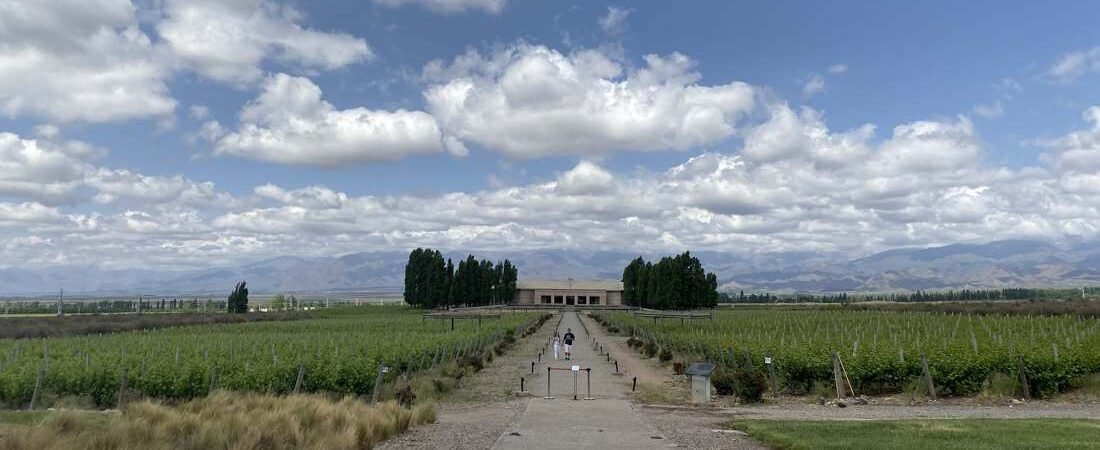
With hundreds of bodegas scattered across the valley floor beneath the Andes, figuring out the best wineries in Mendoza can be the hardest part of planning a trip here. This guide breaks them down by region and style, from the icon estates every wine lover recognizes to the small, family-run bodegas that only pour for a handful of visitors a day, so you can build a tasting itinerary that actually fits how you like to travel. For more Mendoza travel guides like this one, browse the rest of our blog.
Mendoza’s Wine Regions at a Glance
Before you start picking individual wineries, it helps to understand where they sit. A map of Mendoza wineries splits the province into three main growing areas, each with its own soil, altitude, and personality. Most travelers base their winery hopping around one or two of these regions rather than trying to cross the whole province in a single day.
Luján de Cuyo
The closest wine region to Mendoza city, Luján de Cuyo is where many of Argentina’s most established wineries built their estates, drawn by old vineyards planted at the foot of the mountains. It’s an easy half-day trip from downtown and a good base if you want a mix of historic bodegas and newer architectural showpieces without a long drive.
Maipú
Just south of the capital, Maipú is Mendoza’s original wine district, with some of the oldest vines and family bodegas in the province. It’s flatter and more compact than Luján de Cuyo, which makes it a popular choice for visitors who want to combine a winery or two with a bike tour along quiet rural roads.
Uco Valley
An hour to hour and a half south of the city, Uco Valley sits at a noticeably higher altitude, and that difference shows up in the glass: cooler nights, bright acidity, and some of the country’s most talked-about single-vineyard Malbecs. Many travelers dedicate a full day to Uco Valley rather than pairing it with the closer regions, since the drive alone takes a chunk of the morning.
Best Wineries in Mendoza for a Classic First Visit
If this is your first time exploring wine tasting in Mendoza, these are the names that tend to come up again and again, and for good reason. Bodega Catena Zapata, with its Mayan-pyramid-inspired building outside Luján de Cuyo, pairs a striking setting with tastings that walk through the estate’s high-altitude vineyard sites. Trapiche, one of the country’s oldest and largest wineries, offers a good overview of Mendoza wine styles in one visit, from everyday blends to more serious single-vineyard bottlings. Bodega Norton, founded by an English engineer in the nineteenth century, is known for its gardens and a range of tasting formats that suit both first-timers and more serious tasters. Terrazas de los Andes, set among century-old vines, is another solid pick for travelers who want a polished, well-organized visit without too much advance planning.
Best Boutique Wineries in Mendoza
Beyond the big names, some of the most memorable visits come from smaller, more personal bodegas en Mendoza. Zuccardi, in Uco Valley, combines serious winemaking with an on-site restaurant built around wood-fired cooking and estate olive oil. Bodega Salentein, also in Uco Valley, is worth visiting for its art gallery and cross-shaped underground cellar as much as for the wine itself. Pulenta Estate, a family winery in Luján de Cuyo, offers a more intimate, low-key experience for travelers who prefer fewer crowds and more conversation with the people pouring. Casa Vigil is another boutique stop worth building into a Mendoza itinerary, especially for visitors who want to pair a tasting with a proper sit-down meal rather than a quick pour and move on.
What a Winery Visit in Mendoza Usually Includes
Formats vary from one bodega to the next, but a typical visit to a winery in Mendoza follows a similar rhythm. Most start with a short walk through the vineyard or production area, where a guide explains the estate’s history and how the wines are made, before moving into a tasting room for a flight of three to five wines. Some wineries keep it simple with just the tasting, while others build in a vineyard picnic, a barrel-room lunch, or a pairing menu built around the estate’s wines. Tour length and depth usually track with price, so a quick tasting might run under an hour while a full lunch experience can fill most of a midday. It’s worth reading the description of each experience before booking, since “tour” can mean anything from a fifteen-minute walkthrough to a multi-course afternoon.
How to Choose the Right Winery in Mendoza for You
With so many options, the best wineries in Mendoza for one traveler aren’t always the right fit for another. If you’re drawn to architecture and design, prioritize the estates known for their buildings, like Catena Zapata or Salentein. If you’re traveling with a small group and want a slower, more personal pace, look toward the boutique and family-run bodegas rather than the larger production houses. Food lovers should factor in which wineries pair tastings with a meal, since a long lunch among the vines is often the highlight of the day. And if you’re short on time, it’s usually smarter to pick two or three wineries in the same region than to chase a long list scattered across the whole province.
Tips for Visiting Wineries in Mendoza
A little planning goes a long way. Most wineries require reservations, especially the better-known names and anything during harvest season, so book ahead rather than showing up and hoping for a spot. Distances between regions are real: Luján de Cuyo and Maipú are close to the city, but Uco Valley is a longer drive, so plan your day around one region at a time. Because tastings involve alcohol and the routes connect small rural roads, most visitors hire a driver or join an organized tour rather than self-drive between bodegas. Eat something substantial before you start, drink water between tastings, and wear shoes you don’t mind walking through a vineyard in. For a broader look at pulling a full trip together around these visits, see our guide on how to plan a Mendoza wine trip.
Quick facts: Best Wineries in Mendoza
- Where: Mendoza province, Argentina, mainly across Luján de Cuyo, Maipú, and Uco Valley
- Getting there: fly into Mendoza (MDZ) or arrive by bus or organized tour from Buenos Aires
- Best time to visit: wineries welcome visitors year-round, though harvest season (roughly February to April) is the liveliest
- Typical visit length: most tours and tastings run one to two hours; plan for half a day to cover two or three wineries
- Price range: tasting prices vary widely by winery and experience level, from casual to premium reserve tastings, so check ahead when booking
- Booking: reservations are recommended for most wineries, and essential during high season
Whichever wineries make your list, Mendoza rewards travelers who slow down and give each visit real time rather than rushing between bodegas. Start with a region, pick two or three estates that match how you like to travel, and build the rest of the day around good food and a driver who knows the roads. Head back to our homepage for more on planning your visit to Mendoza wine country.
Ready to plan your Mendoza wine trip?