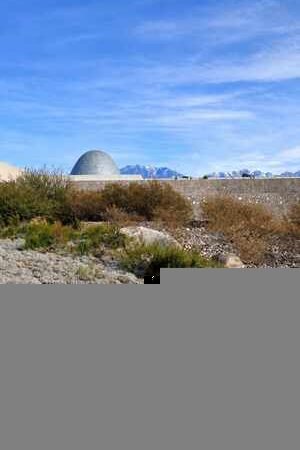
If Mendoza’s Primera Zona is where wine tourism started, Uco Valley is where it’s headed. This Uco Valley wine guide covers what makes the region worth the drive: the altitude, the wineries, the towns to base yourself in, and how to plan a day (or two) among some of Argentina’s most talked-about Malbec.
Where Is Uco Valley, and Why Does Altitude Matter?
Valle de Uco sits southwest of Mendoza City, roughly an hour to an hour and a half by car depending on which winery you’re headed to. It spans three departments (Tupungato, Tunuyan and San Carlos) and climbs in elevation as you go, with many vineyards planted well above 1,000 meters and some pushing past 1,500.
That altitude is the whole story. Higher vineyards mean bigger swings between daytime heat and nighttime cold, which slows ripening and helps grapes hold onto acidity and aromatic freshness. It’s a big part of why Uco Valley Malbec tends to taste more structured and less jammy than Malbec from lower, warmer parts of Mendoza. If you’ve already read our guide to the best wineries in Mendoza, Uco Valley is the chapter where the region gets serious about single-vineyard, high-altitude wine.
Getting to Uco Valley
Most visitors base themselves in Mendoza City and do Uco Valley as a day trip, since the drive is manageable and the scenery along the way (long straight roads, poplar windbreaks, the Andes getting closer with every kilometer) is part of the experience. Renting a car gives you the most flexibility, but a private driver or a guided wine tour is the easier option if you’re planning on actually drinking at each stop, since wineries here are more spread out than in Lujan de Cuyo and public transport isn’t practical for winery-hopping.
Some travelers choose to stay a night or two in Tupungato or Tunuyan instead of commuting from the city. It’s a quieter, more rural base, and it means you’re not rushing the last tasting to make it back before dark.
The Best Wineries in Uco Valley
Uco Valley has grown fast over the last two decades, and it now has one of the highest concentrations of architecturally striking, destination-worthy wineries in Mendoza. A few sub-zones are worth knowing.
Tupungato and Gualtallary
This is the highest and coolest part of the valley, known for tightly structured, mineral-driven Malbec and increasingly for excellent Chardonnay and sparkling wine. Several producers here work almost entirely with high-altitude single vineyards, and tastings often come with sweeping, unobstructed views of the Andes.
Tunuyan and Vista Flores
A cluster of well-known wineries sits in and around Vista Flores, many of them combining serious winemaking with excellent on-site restaurants, making this a good sub-zone to plan a longer lunch around a tasting.
San Carlos and La Consulta
Further south, this area tends to be a little less visited by first-time tourists, which makes it a good option if you want a more relaxed, less touristy tasting experience without sacrificing wine quality.
For a broader look at options across the whole province, our guide to wine tasting in Mendoza for first-timers is a good starting point before you narrow things down to Uco Valley specifically.
What Makes Uco Valley Malbec Taste Different
Ask a sommelier in Mendoza to describe Uco Valley wine and you’ll usually hear the same handful of words: elegant, floral, fresh, mineral. Compared to Malbec grown in the lower, warmer Lujan de Cuyo or Maipu areas, Uco Valley wines tend to show brighter red and violet fruit rather than dense, dark fruit, with firmer tannins and noticeably higher acidity. Many producers here also work with individual vineyard blocks rather than blending across the whole valley, so it’s common to see wines labeled by a specific parcel or altitude.
If you’re new to tasting and want to understand these differences hands-on rather than just reading about them, most wineries in the area offer comparative tastings that pour wines from different altitudes side by side, which is one of the more genuinely educational things you can do with an afternoon in Mendoza.
Planning a Day (or Two) in Uco Valley
A realistic day trip usually means two to three winery visits with lunch worked in at one of them, since tastings, cellar tours and a proper meal all take time and the distances between wineries add up. Trying to squeeze in more than that tends to turn a relaxed day into a rushed one. Booking ahead is strongly recommended, especially during harvest season (typically February through April) and on weekends, when the more popular wineries fill up quickly.
If you’re building out a longer itinerary, it’s worth reading our complete guide on how to plan a Mendoza wine trip, which covers how to balance Uco Valley against the other wine zones and how many days to allow overall.
Where to Eat in Uco Valley
Uco Valley has some of the best winery restaurants in Argentina, many of them set among the vines with Andes views. Reservations are essential, particularly for lunch on weekends, and it’s worth checking ahead whether a restaurant requires you to also book a tasting or vineyard tour as part of the visit. Outside the wineries, the towns of Tunuyan and Tupungato have a growing number of smaller, more casual spots for travelers not looking to commit to a multi-course lunch.
Uco Valley vs. the Rest of Mendoza’s Wine Country
It’s worth understanding how Uco Valley fits alongside Mendoza’s other wine areas rather than treating it as an either-or choice. Lujan de Cuyo and Maipu, closer to the city, tend to have older vines, more traditional bodegas and shorter transfer times, which makes them a good fit if you only have one day for wine tasting. Uco Valley asks for more of a commitment in travel time, but rewards it with newer, design-forward wineries, higher-altitude vineyards and, generally, a quieter and more scenic setting. Many travelers end up splitting their trip: a day closer to the city early on, then a full day further out in Uco Valley once they’ve got a feel for the region. If that sounds like your trip, it’s worth mapping the whole itinerary out before you book anything, since travel time between zones adds up faster than it looks on a map.
Good to Know: Uco Valley Quick Facts
Getting there: About 1 to 1.5 hours by car from Mendoza City, depending on the winery.
Best way to visit: Private driver or guided wine tour if you plan to taste at multiple stops.
Best time to go: Harvest season (roughly February to April) for activity and atmosphere; spring and early summer for milder weather and fewer crowds.
Typical day plan: Two to three wineries with lunch at one of them.
Booking: Reserve tastings and restaurant lunches in advance, especially on weekends and during harvest.
Sub-zones to know: Tupungato/Gualtallary (highest, coolest), Tunuyan/Vista Flores (wineries with restaurants), San Carlos/La Consulta (quieter, less touristy).
Uco Valley rewards travelers who slow down. It’s not the easiest wine zone to visit on a whim, but with a little planning, it’s the part of Mendoza most likely to change how you think about Malbec. For more on the region and how to fit Uco Valley into a broader trip, browse the rest of our Mendoza wine travel guides or head back to our homepage to start planning.
Ready to plan your Mendoza wine trip?