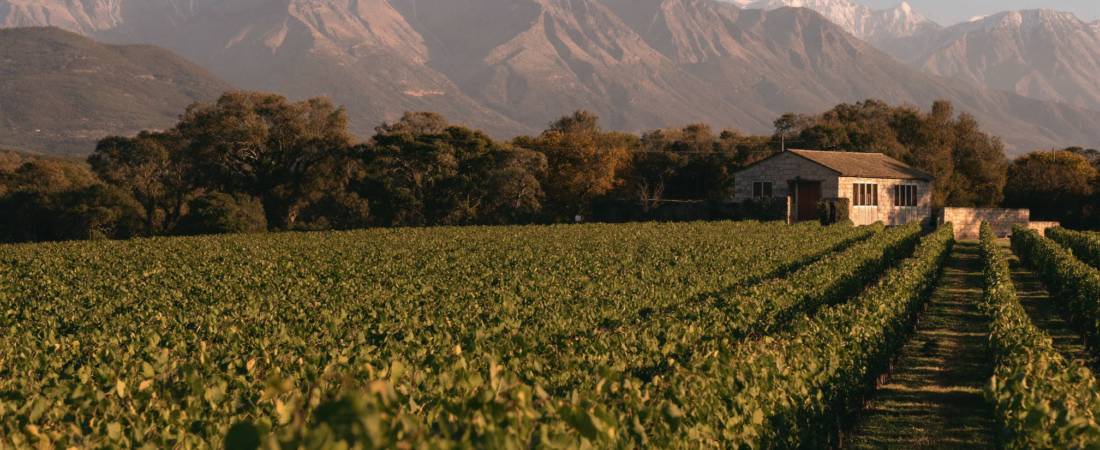
Lujan de Cuyo is where Mendoza’s wine story really begins. It’s the oldest wine department in the province, and still the easiest one to explore from the city, which is why so many trip itineraries start here. If you’re trying to narrow down the best wineries in Lujan de Cuyo, the good news is you don’t have to choose between history and hidden gems. You can visit a landmark producer in the morning and a tiny, appointment-only cellar by lunch, all within a thirty minute drive.
This guide covers the names worth knowing, from the big, well-known estates to the small-batch winemakers that locals actually recommend, plus a few practical notes for putting the day together. For a wider view of the province, see our guide to the best wineries in Mendoza as a whole.
Why Lujan de Cuyo Is Mendoza’s Wine Heartland
At roughly 900 to 1,100 meters above sea level, Lujan de Cuyo sits lower than the Uco Valley but higher than most of Argentina’s other wine regions, and that altitude, combined with old, deep-rooted vines, is a big part of why its malbec has such a reputation. The department is made up of several smaller districts, including Agrelo, Perdriel, Las Compuertas and Vistalba, each with its own soil profile and microclimate. Vistalba in particular has become known for some of the region’s most collectible, small-production labels, tucked down quiet dirt roads between poplar trees.
Many of the Mendoza cavas, the underground cellars that founding winemaking families dug by hand more than a century ago, are concentrated right here. A handful are still in daily use and open their doors to visitors, which is part of what makes Lujan de Cuyo feel different from the newer, more polished wine routes further south.
Terrazas de los Andes: Altitude-Driven Malbec With Andes Views
The Terrazas winery is usually one of the first stops on a Lujan de Cuyo itinerary, and for good reason. Its vineyards sit at different altitudes across the region, and the tasting experience is built around comparing how malbec changes as the elevation climbs, from riper, rounder fruit lower down to firmer tannins and brighter acidity higher up. The property also has clear sightlines to the Andes, so it’s a good pick if you want a scenic terrace along with the wine. Tastings typically need to be booked in advance, especially in the busier spring and harvest months.
Trapiche: The Winery That Helped Put Mendoza Malbec on the Map
The Trapiche winery is one of Argentina’s oldest and most internationally recognized producers, and its historic cellar building, with tall stone arches and barrel-lined corridors, is worth the visit on its own. Trapiche sits just over the Lujan de Cuyo line in neighboring Maipu, but the two departments blend into each other so seamlessly that most wine-route maps, and most guided tours, treat them as a single day out. If you only have time for one large-scale, classic bodega experience, this is usually the one locals point visitors toward.
Club Tapiz: Boutique Wine, a Restaurant, and a Place to Stay
Club Tapiz is a smaller, family-run estate that leans into the boutique side of Mendoza wine tourism. Alongside the tasting room, it runs a well-regarded restaurant set among the vines, which makes it an easy choice for a long, unhurried lunch rather than a quick stop. It also operates a small lodge, so if you’d rather not drive back into the city after an afternoon of tastings, this is one of the more straightforward places to extend the day into an overnight stay.
Vistalba’s Small Producers: Carmelo Patti and Beyond
Once you move past the bigger names, Vistalba rewards a bit of extra planning. Carmelo Patti is the name most often mentioned in the same breath as “old school” Mendoza winemaking. There’s no grand visitor center here, no gift shop, just a working cellar where the winemaker himself has historically poured tastings for small groups, usually by appointment only. It’s a favorite among malbec collectors precisely because the approach has barely changed in decades. Other small cellars in the surrounding lanes operate the same way, so it’s worth asking your hotel or tour operator which family producers currently have appointment slots open, since hours and availability change more often at this scale than at the larger estates.
Cavas Wine Lodge: Sleeping Among the Vines
For travelers who want to turn a wine afternoon into a full retreat, Cavas Wine Lodge is one of the best-known options in the area, with private villas scattered through the vineyard rather than a conventional hotel block. Waking up to Andes views right outside your own plunge pool is a different experience than driving out from the city each morning, and it pairs naturally with the smaller producers nearby, since you can walk or take a short transfer rather than planning around a long drive back. For more lodging options across the wider region, see our guide on where to stay in Mendoza.
Planning Your Lujan de Cuyo Wine Day
Self-Drive, Bike, or Guided Tour
Lujan de Cuyo is flatter and more compact than the Uco Valley, so some travelers rent bikes to move between nearby wineries. That said, distances between the estates above are generally too long for a casual ride, and Argentina’s open-container and drink-driving rules make self-driving between tastings a genuinely bad idea. A private guided tour, or at least a driver for the day, is the more realistic option for most visitors, and it also makes it much easier to get a table at the smaller, appointment-only cellars. If you haven’t settled on an operator yet, our breakdown of how to choose a Mendoza wine tour walks through what to look for.
Best Time of Year
Harvest season, roughly late February through April, is the most atmospheric time to visit, with activity in the cellars and sometimes grape-stomping or harvest lunches on offer. Spring (October and November) is quieter and comfortable for being outdoors most of the day. Many of the wineries mentioned here slow down or adjust hours around the holidays and in the depths of winter, so it’s worth confirming opening times directly before building a full day around any single stop.
Quick Facts: Lujan de Cuyo Wineries
- Getting there: About 15 to 30 minutes by car from central Mendoza city, depending on the specific district.
- How long to plan: A full day for two to three wineries with a proper lunch; a half day if you’re keeping it to two quick tastings.
- Best time of year: Harvest season (roughly late February to April) for atmosphere, spring (October to November) for comfortable weather.
- Booking: Most tastings, and nearly all small producers, require a reservation made at least a day or two ahead.
- Cost: Varies widely by winery and tasting format, from simple flights to multi-course pairing lunches, so it’s worth checking directly with each estate.
- Good to know: Pair Lujan de Cuyo with a trip to the Uco Valley if you have more than a day or two for wine touring, since the two regions show a genuinely different side of Mendoza malbec.
Lujan de Cuyo rewards a bit of a mix: one landmark bodega for the history, one boutique stop for a long lunch, and at least one small, appointment-only cellar for the kind of winemaking you won’t find anywhere else. Start with whichever of the names above matches the day you’re after, and build outward from there. For more on getting the rest of the trip right, head back to our home page or browse the full blog for more Mendoza wine guides.
Ready to plan your Mendoza wine trip?